
-

Buying Guides
Glove Guide | How to choose the right gloves
Helping you find the perfect pair of gloves for any activity.

Gloves and mitts are a key part of any kit list for any activity. Cold hands quickly become useless, and if you can’t use zips, open your pack to find some food, or operate a carabiner, then you could soon find yourself in difficulty.
This guide will help you find the best gloves or mitts for your chosen activity, while also highlighting important aspects of glove design and specific features to consider.
-

Gloves for Alpine Climbing
Alpine climbing demands dexterity, protection, and the ability to adapt to rapidly changing conditions. Gloves must balance precision with warmth while remaining durable in harsh environments.
We recommend:
- A thin, breathable pair for fast movement and approaches
- A tough, insulated pair for colder or exposed sections
- A warm backup pair or mitts for belays and emergencies
-
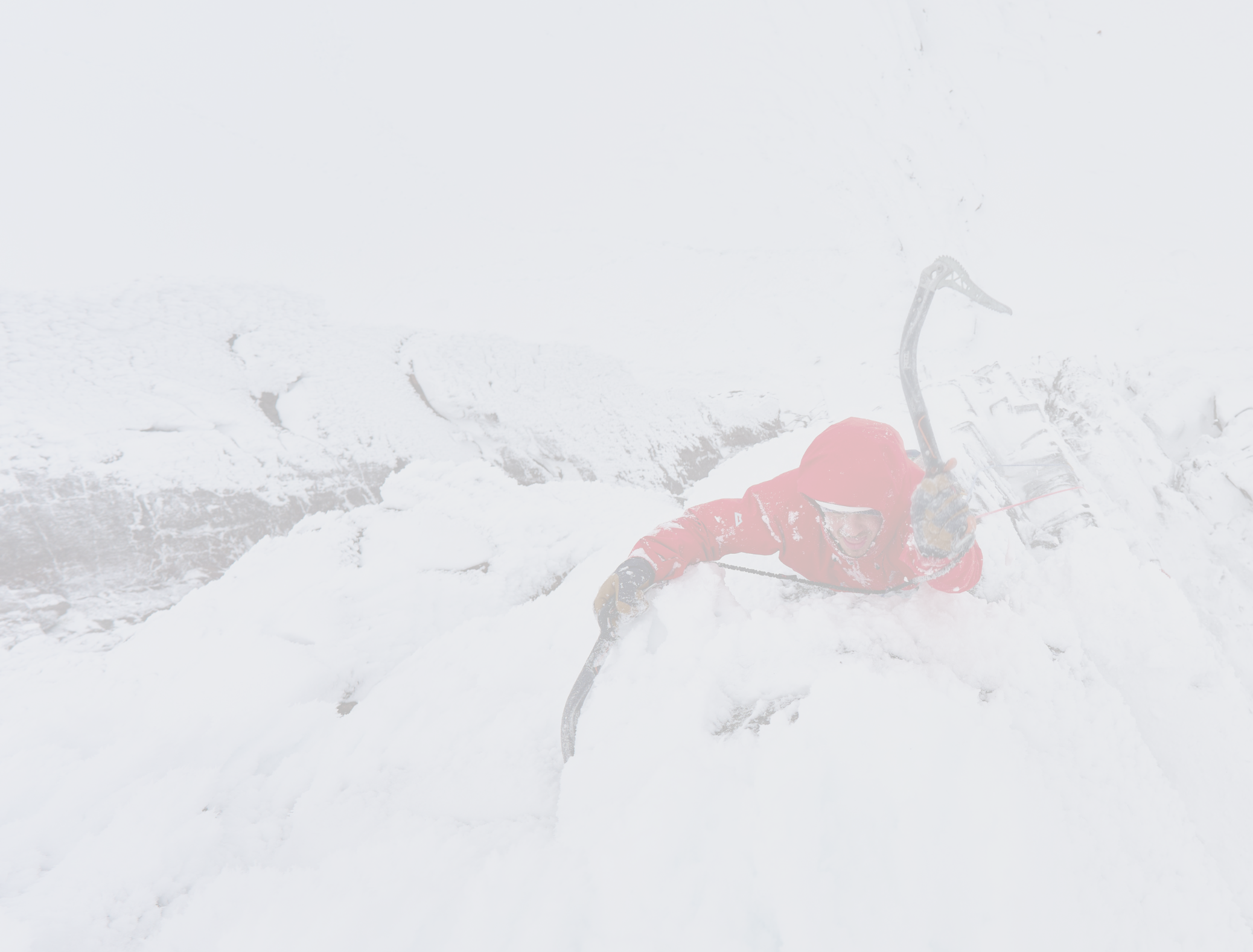
Gloves for Winter Climbing
Winter climbing combines high-intensity movement with long, cold belays, requiring gloves that stay warm, grippy, and reliable even when wet.
We recommend:
- A thin pair for the walk-in or high-exertion sections
- A warm but dextrous pair for technical climbing
- A spare pair plus big mitts for belays or severe weather

-
Gloves for Mountaineering
Mountaineering involves long days with shifting temperatures, from warm glacier travel to windy ridges, so a flexible glove setup is essential.
We recommend:
- A lightweight pair for steady movement
- A warmer insulated pair for exposed or cold terrain
- Mitts for extreme cold or summit pushes
-
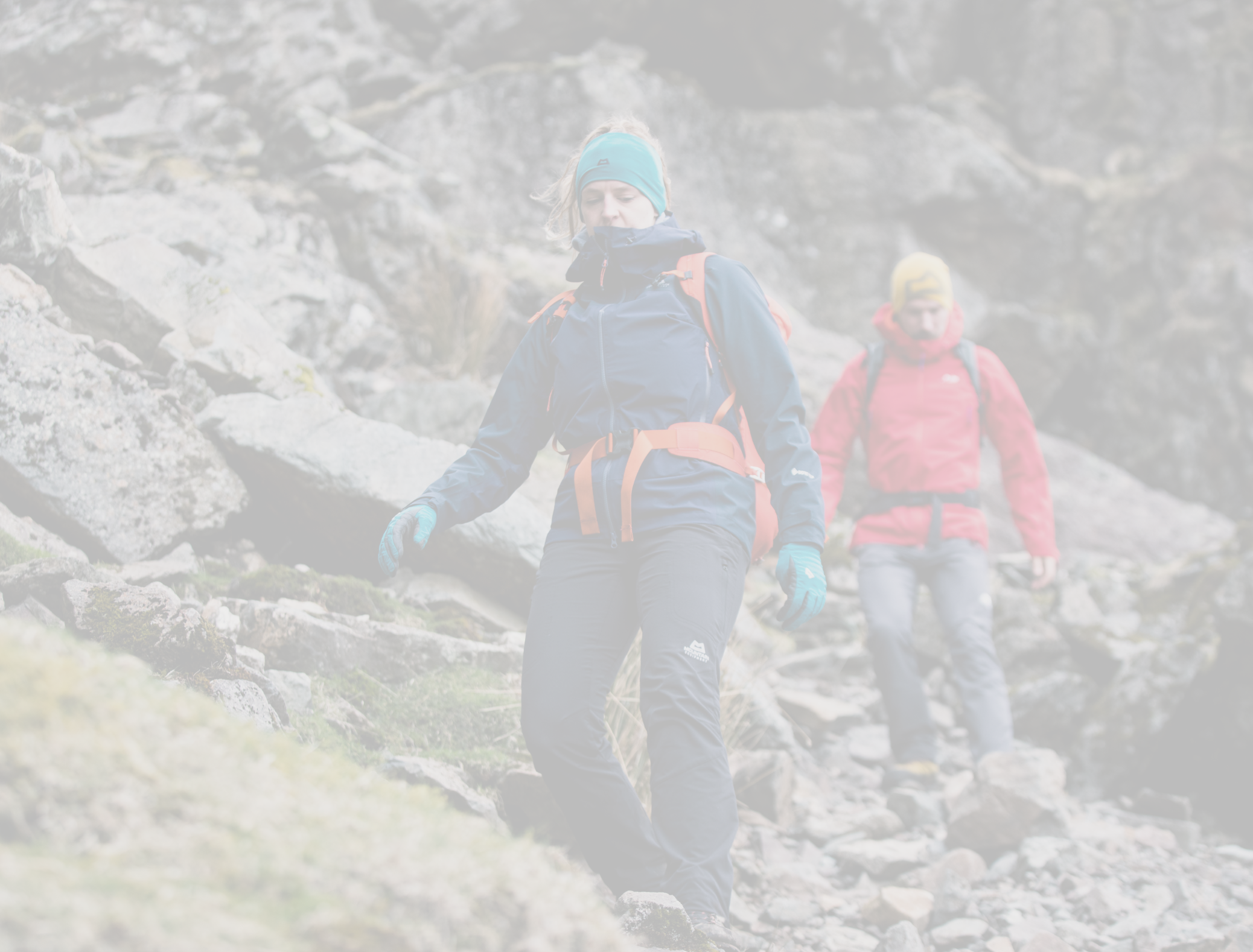
Gloves for Hiking
Hiking generally requires simpler protection, but conditions and personal comfort vary, so it’s smart to carry options.
We recommend:
- A lightweight, breathable pair for general use
- A windproof or lightly insulated pair for colder seasons
- A backup pair if you run cold or expect wet weather
-
Gloves for Skiing
Ski mountaineering and touring demand breathable gloves for long ascents, with warmer options ready for transitions, foul weather, or exposed terrain.
We recommend:
- A thin, windproof soft shell pair for climbing and skinning
- A warm, weather-resistant pair for descents and poor conditions
- Mitts for very cold temperatures or long exposed transitions


Key Factors to Consider When Choosing Gloves
-
Which is better, gloves or mitts?
The main difference between gloves and mittens is dexterity. Gloves offer much more dexterity, while mittens keep your fingers together, providing greater warmth.
Your choice between the two depends on your needs. If you need to perform complex tasks, like tying knots, gloves are the better option. However, if you are sitting at a belay or going for a walk in the valley, mittens could be a suitable choice. -
How warm do my gloves need to be?
Warmer isn't always better. Where you are going and what you are doing will affect how warm your gloves need to be. The goal is to keep your hands comfortable, not just hot. Gloves that are too warm can cause your hands to overheat and sweat, leading to damp gloves that won’t perform well. That’s why it’s a good idea to carry both a thin pair and a thick pair of gloves.
In general, thicker gloves provide more warmth than thinner ones, and mittens tend to be even warmer. Lightweight gloves are usually adequate when you’re working hard, even in cold conditions. However, you might prefer warmer gloves if you are moving slowly, have poor circulation, or if it’s extremely cold outside. -
Do I need waterproof gloves?
Waterproof gloves aren't necessarily better than non-waterproof ones. Even if a glove is waterproof, water or snow can still enter through the cuff or when you put the glove on with wet hands. When choosing gloves, consider the conditions you will be in.
While waterproof gloves do keep water out, which helps keep your hands warm, they can also be less breathable and take longer to dry.
On the other hand, gloves without a waterproof membrane may become damp in wet conditions, but they typically dry quickly and some people appreciate their simplicity. However, if your hands get wet, they are likely to become cold. -
What other features should I look out for?
When selecting gloves and mitts, it's important to consider the specific features that suit your activities and the conditions you'll be in. Look for durable shell fabrics that can withstand weather and abrasion. Additionally, consider the lining and insulation. Materials like fibre pile and fleece offer various benefits in terms of grip, warmth, dexterity, and drying speed, while heavier synthetic insulation or down provides maximum warmth.
If durability and grip are important to you, leather reinforcements can significantly enhance toughness, weather resistance, and dexterity. Also, pay attention to cuff closures: low-bulk cuffs are lighter and more streamlined, while gauntlet-style cuffs are easier to put on and help keep snow out when worn over jacket sleeves.
Don't overlook the small details. Nose wipes made from reversed suede leather are soft, comfortable, and durable. Finally, features like carabiner carry loops allow you to clip your gloves to a harness or pack for convenience. -
What is a "glove system", and do I need one?
A glove system involves using multiple pairs of gloves or mitts throughout the day to accommodate changing activity levels, weather conditions, and warmth requirements. No single glove can manage every situation, so alternating between different types helps keep your hands dry, warm, and functional.
For example, during a typical day out, you might start with thin gloves for high-output hiking or the approach. As temperatures drop, you would switch to thicker insulated gloves. If those gloves get wet, you might replace them with another warm pair. For a technical climbing pitch, you could choose a more dexterous pair, and at the summit, you might finish with mitts for maximum warmth. It's common to use several pairs in one outing.
Whether you need a glove system depends on your specific conditions and comfort levels, but many people find it essential. Some combine liner gloves with heavier gloves or mitts, while others add over-mitts when belaying. Some simply rotate through pairs as needed. The key principles are straightforward: switch gloves before your hands get cold, and bring more pairs than you think you'll need.
-

Gloves and Mitts
Built for dexterity, protection, and warmth in the harshest conditions, our outdoor gloves and mitts are engineered for serious mountain use.

-

Glove Care & Repair
-

Accessories